
Update: the training that was scheduled to begin November 16, 2026 has been canceled. If you already paid, please email lia@linguava.com.
- Approved by the Oregon Health Authority
- Recognized by NBCMI and CCHI
Linguava Interpreter Academy
Take the first step to becoming an Oregon Qualified or Nationally Certified Medical Interpreter with our online interpreter training.
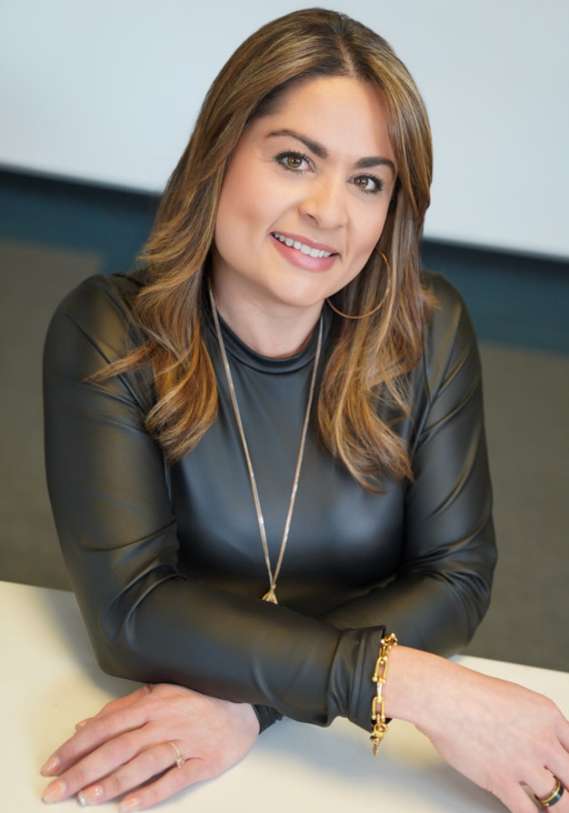
InstructorValeria McNulty, LIA Trainer
Next sessions start February 1 and March 1, 2027. Each class is limited to 15 participants.
- 60 hoursDesigned by interpreting professionals with extensive medical experience
- VirtualLive classes online, Monday to Friday
- 15 participantsMaximum class size, for the course and all CEUs
- Language neutralTaught in English for any language pair
- All levelsFor new as well as experienced interpreters
Oregon Health Care Interpreter Training
Welcome to the Linguava Interpreter Academy! At Linguava we want to help you develop your skills and confidence to provide accurate and professional interpretation in a clinical setting.
Our OHA approved program is led by interpreters with over 40 years of cumulative interpreting and training experience.
Whether you want to become a Qualified interpreter in Oregon, or a Nationally Certified Medical Interpreter, this training is designed to give you the knowledge and tools to get there.

What you will learn
Our curriculum focuses on concepts and terminology in the medical field so that upon graduation, you will feel confident in entering any health care setting to interpret accurately for patients and medical professionals.
- Define community and medical interpreting, and compare interpreter credentials
- Practice interpreting protocols: positioning, professional introductions, direct speech and turn-taking
- Interpret in consecutive and simultaneous modes and sight translation, with three note-taking techniques
- Decide when to mediate, and practice the five steps of strategic mediation with cultural competence
- Apply the Code of Ethics for medical interpreters to common communication barriers
- Build medical terminology from Greek and Latin roots across 10 human body systems
- Understand the business practices and legal obligations of medical interpreters
- Plan for self care and professional development
Skills you will gain
- Medical terminology
- Anatomy and physiology
- Consecutive interpreting
- Simultaneous interpreting
- Sight translation
- Memory skills
- Code of ethics
- Strategic mediation
- Cultural competence
- Remote interpreting
- Advocacy
- Professional identity
- Medical abbreviations
Details to know
- Approved by the Oregon Health Authority
The 60-hour program is OHA approved.
- Taught in English, language neutral
Interactive program covering medical terminology, interpreting modes, human anatomy and physiology, the Code of Ethics for medical interpreters, and role play.
- 100% attendance is required
Attend every session to complete the training program.
- Accommodations available
Students with a disability must contact the instructor one week in advance of the class start date so reasonable accommodations can be made.
Learning objectives, module by module
Five community interpreting modules and one medical terminology module make up the 60-hour course. Open a module to see what you will be able to do.
Module 1Introduction to Community Interpreting3 learning objectives
- Define community and medical interpreting
- Analyze and compare interpreter credentials, including certificates and certification
- Apply ethical principles for medical interpreters to common communication barriers
Module 2Interpreting Protocols and Skills5 learning objectives
- Identify and describe the three stages of a typical community interpreting assignment
- Discuss and practice four protocols for interpreting: positioning, professional introductions, direct speech (first person) and turn-taking management
- Explore memory skills, chunking and imagery
- Describe three modes of interpreting: consecutive, simultaneous and sight translation
- Practice three effective techniques for note-taking
Module 3Strategic Mediation6 learning objectives
- Show awareness of bias while interpreting
- Apply four decision-making criteria to assess whether or not to mediate
- Develop basic scripts for performing mediation in common situations in medical interpreting
- Practice five steps to perform strategic mediation
- Define cultural competence and cultural mediation
- Develop techniques to perform culturally responsive mediation
Module 4Professional Identity and the Community Interpreter4 learning objectives
- Understand the business practices and legal obligations of medical interpreters
- Show how community interpreters can perform effective legal interpreting in community settings
- Develop strategies to acquire specialized subject matter knowledge and terminology
- Explore the challenges of remote interpreting
Module 5The Role of the Community Interpreter5 learning objectives
- Discuss how the role of the community interpreter supports communicative autonomy
- Apply a decision-making protocol for advocacy
- Explore best practices that support national standards of practice
- Identify critical standards of practice in common interpreting scenarios
- Discuss self care and professional development for medical interpreters
Medical terminologyMedical Terminology for Interpreters8 learning objectives
- Identify the meaning of common Greek and Latin roots and affixes found in medical terms
- Analyze the language register of common medical terms and identify whether each term is higher, medium or lower register, taking context into account
- Identify the basic functions of 10 human body systems
- Demonstrate basic understanding of the functions, parts, common terms and diseases and disorders relevant to each of 10 human body systems
- Study and learn 44 terms for common medical tests and procedures
- Practice interpreting 52 terms for medical signs and symptoms
- List and discuss four best practices for managing and interpreting common medical abbreviations
- Explore seven strategies and five resources for expanding the interpreter’s knowledge of medical terminology
Course details
- Participant–instructor ratio
- Limit of 15 participants for the 60 hour course and all CEUs
- Number of training hours
- 60 hours
- 2027 training dates
- January 4–13, 2027 Closed
Orientation Thursday, December 31, 2026 - February 1–10, 2027 Open
Orientation Friday, January 29, 2027 - March 1–10, 2027 Open
Orientation Friday, February 26, 2027, 8:30 AM
- January 4–13, 2027 Closed
- Class times
- Classes Monday to Friday, 8:30 AM – 5:00 PM.
Orientation 8:30 – 9:00 AM. - Training location
- Virtual
- Total cost, due with application
- $750, which includes:
- Training: $600
- Textbooks (e-books): $150
Required textbooks
- The Community Interpreter: An International Textbook
- The Community Interpreter: An International Workbook of Activities and Role Plays
- Medical Terminology for Interpreters
Meet your instructor
Valeria McNulty
LIA Trainer
Valeria McNulty has worked as a Nationally Certified and State Qualified interpreter for over 20 years in medical, legal and educational settings. She has provided training to interpreters since 2009 and has recently become a licensed trainer to deliver The Community Interpreter 60-hour training.
Watch: Linguava Interpreter Academy, meet your instructor (YouTube Short)
What Academy graduates say
Frequently asked questions
Who is this training for?
It is a language-neutral program taught in English, designed for new as well as experienced interpreters. To apply you confirm that you are 18 or older, have a high school diploma or college degree, and can read and write at a high school level in both of your languages.
Where does the training take place?
It is held virtually. You need internet that supports video platforms, and you agree to attend and take an active part in every session.
What does it cost, and what is included?
The total is $750, due with your application. That is $600 for the training and $150 for the textbooks, which are e-books.
Which textbooks do I need?
The Community Interpreter: An International Textbook; The Community Interpreter: An International Workbook of Activities and Role Plays; and Medical Terminology for Interpreters.
Is attendance required?
Yes. 100% attendance is required to complete the training program.
Is the program approved?
The 60-hour program is approved by the Oregon Health Authority and has been recognized by NBCMI and CCHI. It is designed to give you the knowledge and tools to become a Qualified interpreter in Oregon or a Nationally Certified Medical Interpreter.
How large are the classes?
Each class is limited to 15 participants.
What if I need an accommodation?
Students with a disability must contact the instructor one week before the class start date so reasonable accommodations can be made.
More questions? Contact us.
Interpreter Training Program Application
Please be ready to submit payment with your application.
Keep building your career
Linguava Interpreter Academy60 hours, live online. Next sessions February 1 and March 1, 2027. $750.
Register for 2027