

“You’re too young.”
I wish I could tell you how many times I’ve thought about those words.
I was young. I had unusual symptoms. I knew my family history, and something inside me was telling me that I should get checked. So I asked for a mammogram when I was around 30 years old.
I was told I was too young to get a mammogram.
I was told my family history didn’t really change that unless my mom had something. And because a medical professional told me I didn’t need one, I accepted the answer.
Years later, that would turn into something very different and I would hear very different words:
“It is cancer.”
Would finding it earlier have changed what happened to me?
Would I have needed the same surgeries? Would my body look different today? Would looking at myself in the mirror feel different?
I don’t know…
And that’s probably one of the hardest parts of looking back, I will never know. What I do know is that I wish I had advocated for myself more.
I did speak up. But knowing what I know now, I wish I had spoken louder.
Because breast cancer doesn’t check your age before it shows up. And being young should never be a reason to ignore what your body is trying to tell you.
While this is my story, I know everyone’s experience is different.
Maybe you’ve never faced cancer. Maybe you’re waiting for answers, have been through it yourself, or have stood beside someone you love.
I’m sharing these personal details because I hope someone will pay attention a little sooner, ask one more question, or feel less afraid to speak up.
I hope my story gives you permission to be the squeaky wheel.
Because sometimes you need to say:
“No. Something is wrong. Please keep looking.”
The Day I Knew
There came a day when I knew something was seriously wrong.
I didn’t have a diagnosis yet. I didn’t have test results. But I remember the feeling like my heart had dropped into my stomach. Deep down, I knew my life was about to change.
This time, though, something was different.
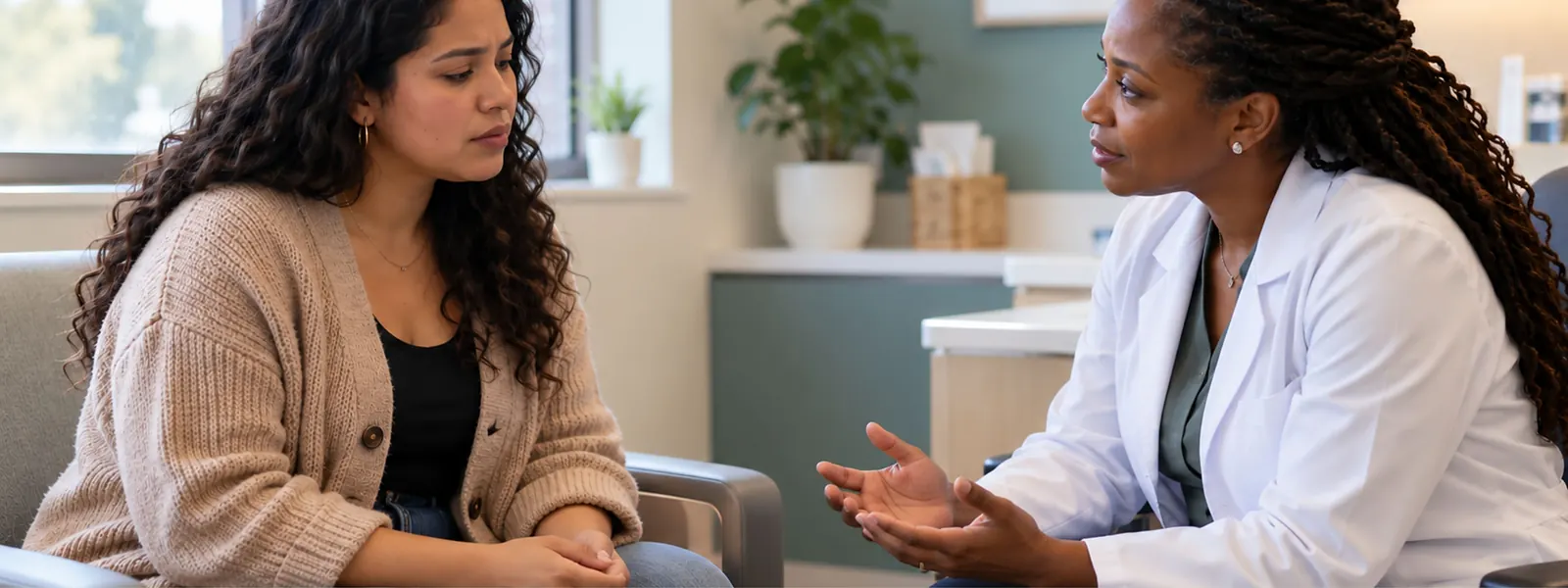
I found a primary care doctor who also knew something was really wrong. I’ll call her Dr. B.
She didn’t dismiss me because of my age or make me feel dramatic. She took my symptoms seriously.
After hearing what was happening, she made time during her lunch hour to see me as a new patient. She quickly arranged the testing and referrals I needed.
I will never forget what that felt like, to have a doctor with the sense of urgency these symptoms deserved.
But having one incredible doctor didn’t mean the rest of the process was easy.
Other specialists looked at my age and at images that offered no obvious answers. Some seemed ready to send me home with, essentially, “We couldn’t find anything. You’re okay.” A huge part of me desperately wanted to believe them.
Who wouldn’t?
My doctor had already prepared me for the possibility that I might need a mastectomy. I didn’t want that reality. I wanted someone to tell me everything was fine so I could go home, go back to my life, and pretend none of this was happening.
But my body was telling me otherwise… I was bleeding.
And this time, I found the courage to say:
“No. I’m not leaving until you tell me what else you’re going to do to find out why I’m bleeding.”
That was terrifying!
There’s something very intimidating about questioning a medical professional. They’re the experts. They have the education and experience. Who was I to challenge what they were telling me? And if I’m being completely truthful, I wasn’t even sure I wanted the answer.
But advocating for yourself doesn’t mean you think you know more than your doctor. It means recognizing that you know what you’re experiencing and being willing to ask, “Something isn’t right. What’s our next step?”
So I stayed. I pushed. And they kept looking.
“It Is Cancer…”
What followed were days of testing, painful biopsies, procedures, small surgeries, waiting, fear, and uncertainty.
Then came the words no one ever wants to hear:
It is cancer!
It started in situ, but it had spread extensively throughout the tissue in my right breast. The recommendation was to remove the breast.
I can’t adequately put into words what I felt.
There was relief because we finally knew what was happening. And there was devastation because I knew my life, and my body, were about to change forever.
I had gotten married only three months earlier. Suddenly, alongside the fear of cancer and surgery were all these other fears I hadn’t expected.
What will I look like? Will I recognize myself? Will my husband look at me differently? Will this change our marriage? Will I need more treatment after this?
You find yourself trying to protect yourself from what’s coming while somehow wanting to protect this new person in your life, too.
Thankfully, my husband stood beside me through all of it. He was there during moments when I didn’t even want to be there for myself. Cancer didn’t weaken our relationship; in many ways, it strengthened it. I had to learn to rely on him, and he had the opportunity to show me, over and over again, that he was there.
And then there were my parents, my sister, and my brother-in-law. They dropped everything to come and be with me.
They didn’t need to fix what was happening. They couldn’t. None of us could. But they could be there and they were.
My family and my husband’s family surrounded us. They checked on us, supported us, and helped carry some of the weight when everything felt so heavy.
Our friends showed up too in ways we never expected.
Cancer made my world feel small, appointments, tests, surgeries, fear, recovery, while placing a mountain in front of me that I wasn’t sure I could climb. But it also showed me how many people were standing beside us.
And then there were people I barely knew yet who showed me an extraordinary amount of kindness.

Sometimes the Darkest Chapters Reveal the Most Beautiful Things
At the same time all of this was happening, I had just started a new job. I was terrified to tell them.
How do you start a new job and almost immediately say, “By the way, I have cancer and I’m going to need time off”?
At work, people in the company kept referring to Linguava as the “Linguava family.” Until then, they were just nice words.
Then I learned what they meant.
People I had never met, or had known only for a few months, including the one who was my supervisor back then, donated their own paid time off so I wouldn’t have to worry about losing income. They created a fund to help with food so my husband and I wouldn’t have to worry about cooking.
When I eventually ran out of time off, I still received a full paycheck. Their kindness taught me something I’ve carried with me ever since:
Sometimes the darkest chapters introduce us to people, love, and kindness we wouldn’t have known existed otherwise.
I would never choose cancer to learn that lesson. I would never say that cancer happened for a reason! But I can say that in the middle of something terrible, I was shown something beautiful.
When you’re hurting, it’s easy to see only what you’re losing. I also began to notice what was being revealed: generosity, compassion, friendship, and people willing to walk beside us.
None of that makes cancer good. But it brought moments of beauty into a very difficult journey.
The Mirror Is Different Now
Cancer changed my body. There is no inspirational phrase that magically erases that reality.
Looking at myself in the mirror will never be exactly the same. There have been moments when accepting what I see has been difficult. There are physical changes and scars that will always remind me of what happened.
Over time, though, I’ve learned to see those scars differently.
The people who love me aren’t standing there analyzing those scars. They see the person behind them.
And over time, I’ve learned that those scars don’t only represent what was taken from me. They also represent the woman who came through it: terrified, but willing to say, “No, I’m not leaving,” and keep going. A woman who discovered just how much love could surround her.
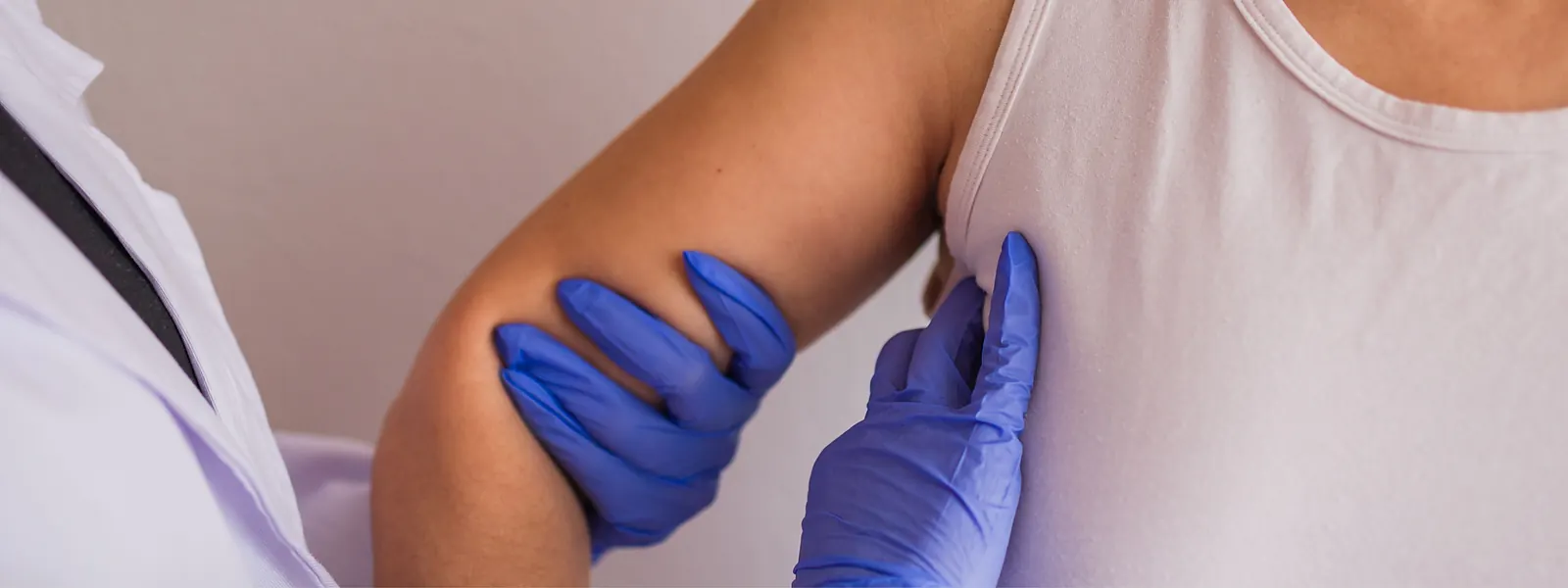
Please Don’t Let Fear Keep You From Knowing
Sometimes we avoid appointments because we’re afraid of what someone might find.
I understand that fear. Hearing “everything looks fine” can feel easier than asking another question. But knowing what’s happening in your body gives you choices.
Early detection can matter tremendously. Depending on the type and extent of breast cancer, finding it earlier can mean more treatment options and, for some people, the possibility of less extensive treatment.
So please, get checked! Know what is normal for your body, and speak up when something changes.
If you’re told you’re “too young” despite concerning symptoms, ask what else could be causing them and what the next step should be.
If the tests don’t explain your symptoms, keep asking questions. Seek another opinion if you need one.
Find your Dr. B, someone who listens, takes your concerns seriously, and keeps looking when something doesn’t add up.
Advocating for yourself isn’t disrespectful or dramatic. Sometimes it simply means saying, “I know my body, and something isn’t right.”
And if you do everything you can and still face a diagnosis, please don’t turn the what-ifs against yourself. You made the best decisions you could with the information you had. You may grieve changes you never expected and need time to recognize the person in the mirror.
Along that difficult road, you may also encounter unexpected kindness, stronger relationships, and moments of grace. I hope you do.
Not everyone’s cancer story ends the way mine did.
I am deeply grateful to be here and able to tell my story. I can speak about the people who carried me through it and the love I experienced. But I know that not everyone gets to tell their story this way.
For some, cancer means years of treatment, surgeries, scans, and uncertainty. Others live with its effects long after treatment ends. Some are waiting for results right now, holding their breath and hoping for good news.
And some families have experienced a loss no one should have to endure.
Spouses have lost their partners. Parents have lost children. Children have lost their moms. Families and friends would give anything for one more ordinary day together.
I think about them whenever I share my experience.
I never want the hopeful parts of my story to suggest that cancer always makes us stronger, that everything happens for a reason, or that a positive attitude determines the outcome.
Sometimes cancer takes far more than anyone should ever have to give. The love and kindness I found along the way don’t make cancer beautiful. Cancer is not beautiful, it is far from beautiful. The people who love you through it are.
And knowing how fortunate I am to be here is part of why I feel a responsibility to share my story.
This Isn’t Just About My Story
Mine is only one breast cancer story among millions.
I’m sharing it because it’s the story I have. If it encourages even one person to make an appointment, ask an uncomfortable question, or insist that someone keep looking, then sharing these vulnerable parts of my life is worth it.
Maybe this isn’t a message you need today.
But maybe someone you love does.
Talk about it. Encourage each other to get checked and take changes in your body seriously.
If someone you love is afraid to make an appointment, offer to go with them. If they’re too exhausted to advocate for themselves, stand beside them!
And if you’re the one putting it off, please make the appointment.
Maybe one day we’ll live in a world where no one has to hear the words, “It is cancer.” But until then, don’t ignore the signs. Early detection can change a story.
And sometimes, finding the courage to say “Please keep looking” can change a story too.