

After more than a decade helping lead specialty care at Providence, Matt Ducsik made a move that might surprise some healthcare leaders.
As Vice President of Clinical Institutes, he oversaw service line initiatives across 51 hospitals and more than 1,000 clinics. Today, he serves as Chief Operating Officer at Linguava.
I recently sat down with Matt to talk about that transition, what drew him to language access, and why communication remains one of healthcare’s most overlooked operational challenges.
In This Interview
- Language barriers can increase the risk of readmissions, medication errors, and missed discharge instructions.
- Interpreter services work best when integrated into existing clinical workflows.
- Healthcare interpreters function as members of the care team, not simply a service resource.
- Quality improvement principles apply to language access just as they do to other clinical processes.
From Paperboy to Healthcare Leader
I started by asking about Matt’s first job and its lasting impact on his leadership style.
“When I was 12 years old, I was a paperboy,” Matt said. He woke up at 5:00 AM every morning to deliver papers down his neighborhood streets. “I learned that you have to be able to do and willing to do hard things in order to be successful, whether it’s work or in life.”
That lesson has stayed with him. He describes his leadership philosophy as having a “strong back and a soft front.”
“Be rooted in your core values and who you are,” he said, “and have the flexibility and the resiliency to be open to new opportunities and ready for challenges when they come up.”

Why Language Access
Before talking about healthcare, operations, or growth, Matt started with family.
His last name is Hungarian, and he often thinks about his great-grandmother, Emma, who immigrated to the United States alone at 16 without speaking English.
“I can only imagine how challenging that must have been,” Matt said. “That really motivates me to provide the highest level of language services to patients as they go along their health journey.”
His years inside large health systems shaped the rest of the answer.
“If you’re a care team, being able to engage with a patient in the language that they are most comfortable with, that’s just fundamental to delivering good care and ensuring better outcomes for the patient and the family.”
He also sees an opportunity for Linguava to grow in a way that supports both patients and health systems.
“I’m excited to support Linguava as we grow to serve more people, train more interpreters, and truly partner with health organizations around better care,” he said.
How Language Barriers Affect the Cost of Care
When I asked how communication gaps affect the cost of care, Matt did not start with budgets. He started with quality.
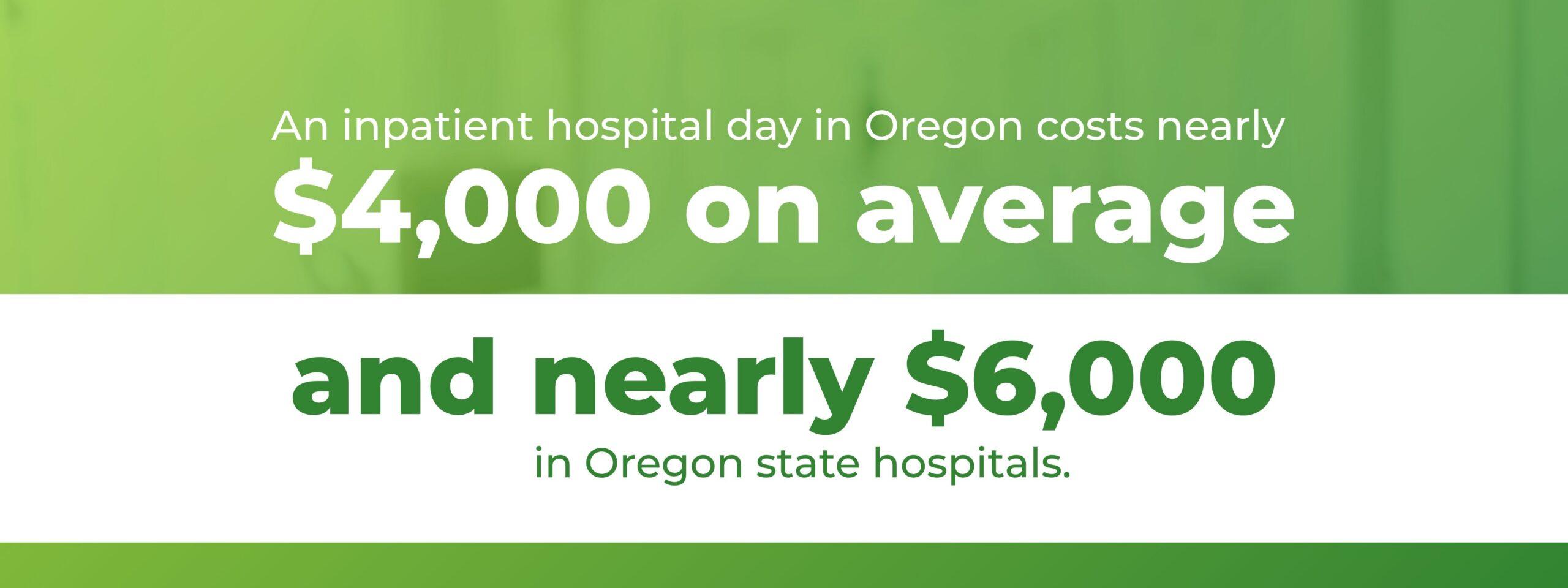
Still, the financial impact is hard to ignore. Matt pointed to recent estimates showing that an inpatient hospital day in Oregon costs nearly $4,000 on average, and nearly $6,000 in Oregon state hospitals.*
“Poor communication could result in returns to the emergency department, readmissions, infection, medication errors, all of those things that we’re trying really hard to avoid,” he said.
“Those risks compound when you have a language barrier.”
For patients and families, the stakes are direct. They need to understand their care, ask questions, and advocate for themselves regardless of the language they speak or sign.
Language Access Must Fit the Workflow
Clinical environments are chaotic. Adding extra steps to a doctor or nurse’s routine causes the process to break down. To protect patients, language access must fit into existing clinical habits.
“Any clinical process is inherently complex,” Matt said. “Any clinical process is at risk when you add additional steps.”
That is why he believes language access should fit naturally into the tools clinicians already use.
“It is very important that we keep clinicians in their customary workflow,” he said.
In many hospitals, that means making language services available through electronic health records. Whether a care team needs a remote interpreter or on-site support, access has to be simple enough to work inside a busy clinical environment.
That same operational mindset shapes how Matt thinks about service delivery.
“We are relentlessly focused on quality improvement,” he said. When issues occur, the goal is not only to solve the immediate problem. The goal is to understand what happened and prevent it from happening again.
Elevating the Interpreter’s Role on the Care Team
Qualified healthcare interpreters bring specialized skills and training to every patient interaction. Yet they are often viewed as a service to access rather than as professionals contributing to patient care.
When I asked how organizations can change that perception, Matt pointed first to education.
Among the things Linguava does best, he said, is helping care teams understand how to work effectively with interpreters and treat them as essential members of the care team.
That education extends to interpreters as well. Through the Linguava Interpreter Academy, interpreters can earn continuing education credits while building expertise in specific areas of medicine. One recent session focused on breast cancer care, helping interpreters better understand the terminology, treatment pathways, and patient conversations they may encounter in clinical settings.

Giving Every Patient a Seat at the Table
Throughout his years at Providence, Matt traveled across the communities the health system served, including indigenous populations in Alaska, Roma communities in Portland, and Armenian communities in Los Angeles.
Despite their differences, he saw the same need everywhere.
“The common denominator is everybody wants to feel heard,” he said. “Everybody wants to be able to advocate for themselves in terms of the care that they receive, no matter what their language.”
When our conversation began, I asked what would lead a healthcare executive to leave one of the nation’s largest health systems for a language access company.
By the end, the answer seemed straightforward. Communication influences nearly every part of healthcare, from clinical workflows and patient safety to the ability of patients and families to advocate for themselves. For Matt, language access is one more way to improve care.
Author
Debbie Mosher is the Director of Marketing and Communications at Linguava. Over the past four years, she has worked closely with healthcare leaders, interpreters, and language access professionals to help elevate conversations around patient communication and healthcare access. She has more than 15 years of experience leading marketing, brand, and communications initiatives across healthcare, wellness, and education organizations.
*Source: Kaiser Family Foundation estimates referenced during the interview.